Sunny Seattle
Can anyone remember visiting Seattle and having many sunny days? Probably not but we just did. We spent a week in the Seattle area in the spring, with a side trip to San Juan Island, and had very little rain.
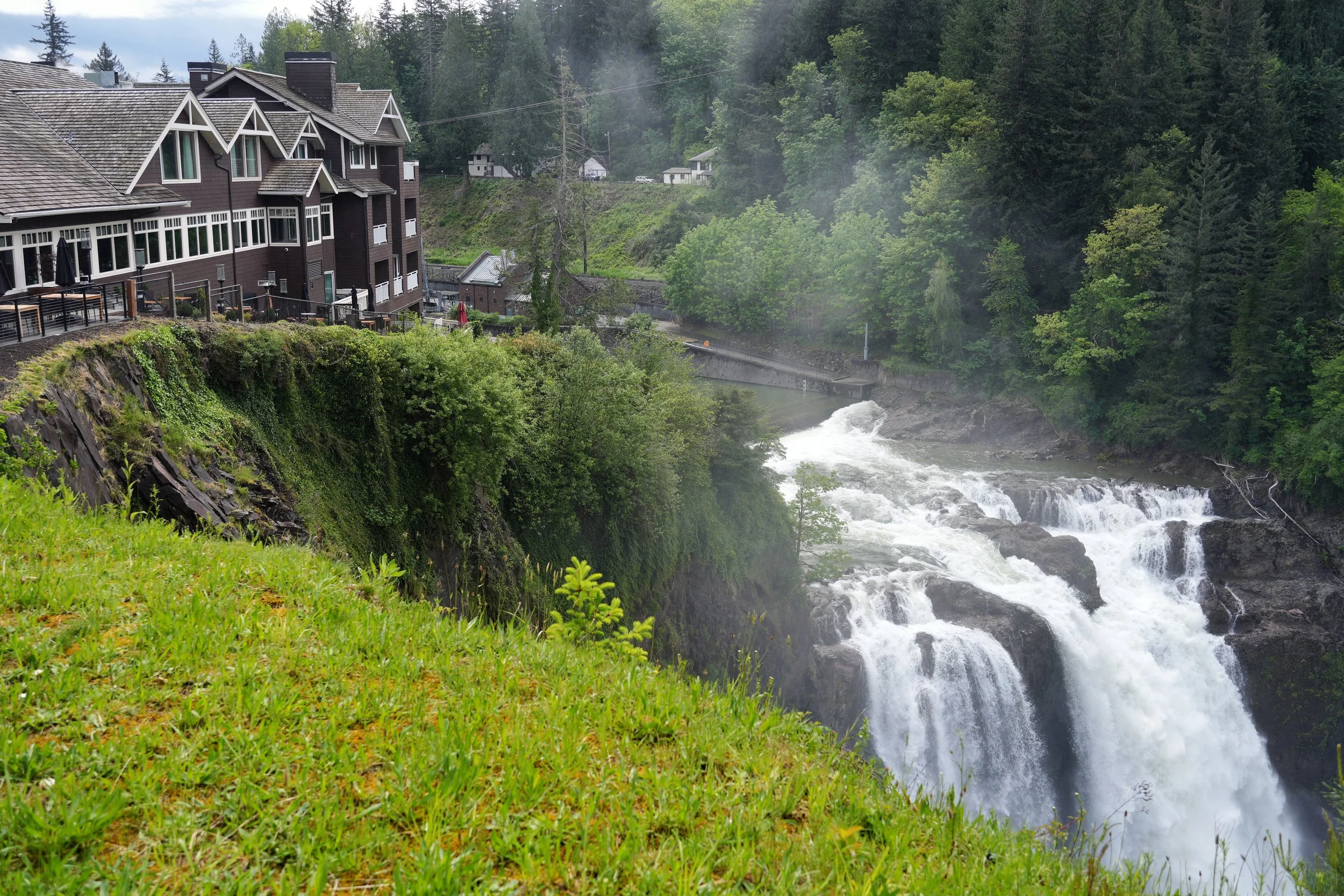
Do any of my not so young readers remember the surrealist mystery-horror-drama, Twin Peaks, created by David Lynch? The photo above is of the Salish Lodge which is perched above the 268 foot Snoqualmie Falls. Both the lodge and the Falls figured prominently in Twin Peaks.
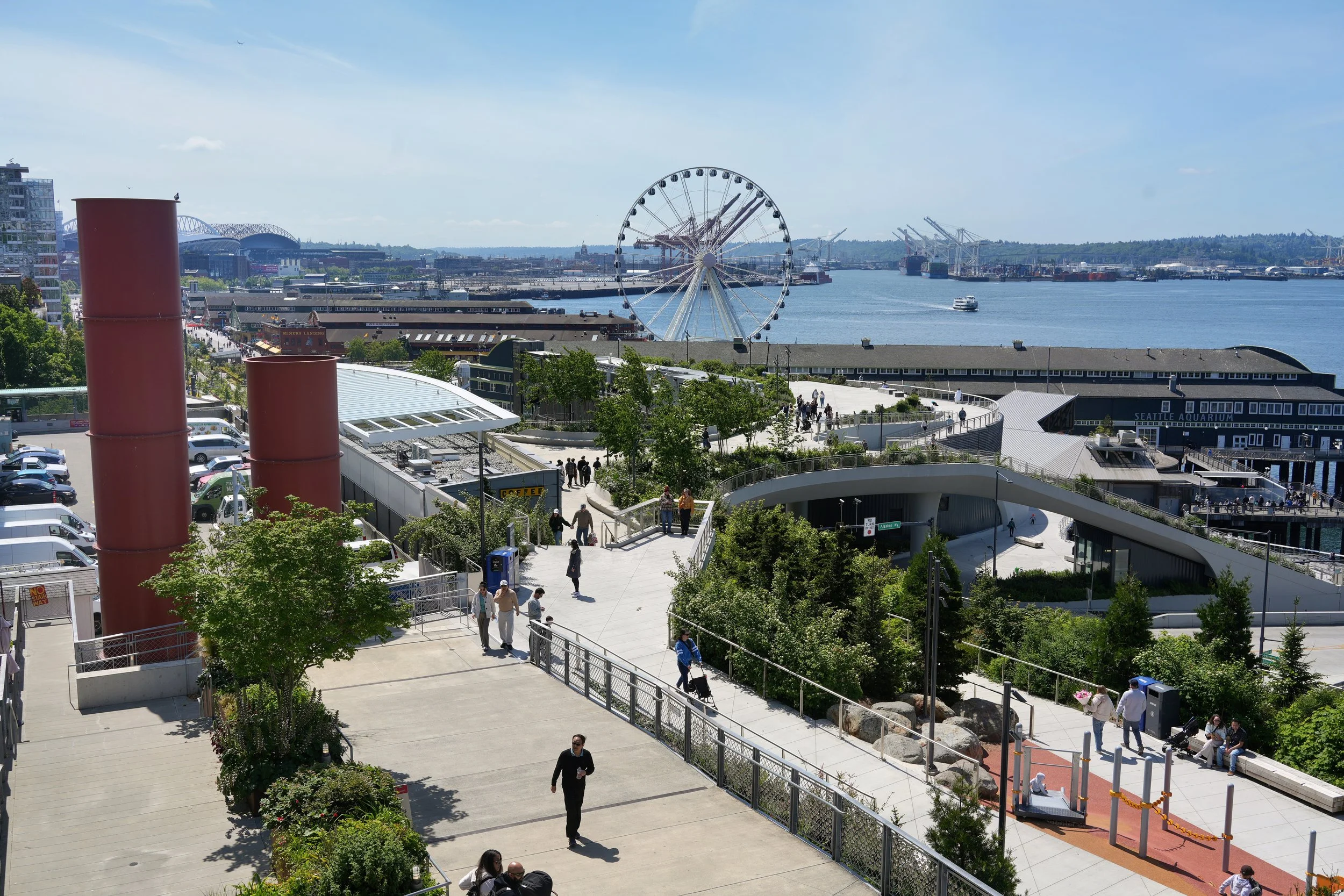
While in Seattle, we made yet again the obligatory trip to Pike Place Market, Seattle's original farmers market, nestled between Seattle’s stunning skyline and Puget Sound. The market was established in 1907, and has been a beloved public market featuring small independent businesses, local farmers, artists, craftspeople, and buskers for over one hundred years and counting! Rather than give you a photo of the postcard photo of the market, below is a photo from the market of the skyline overlooking Puget Sound.
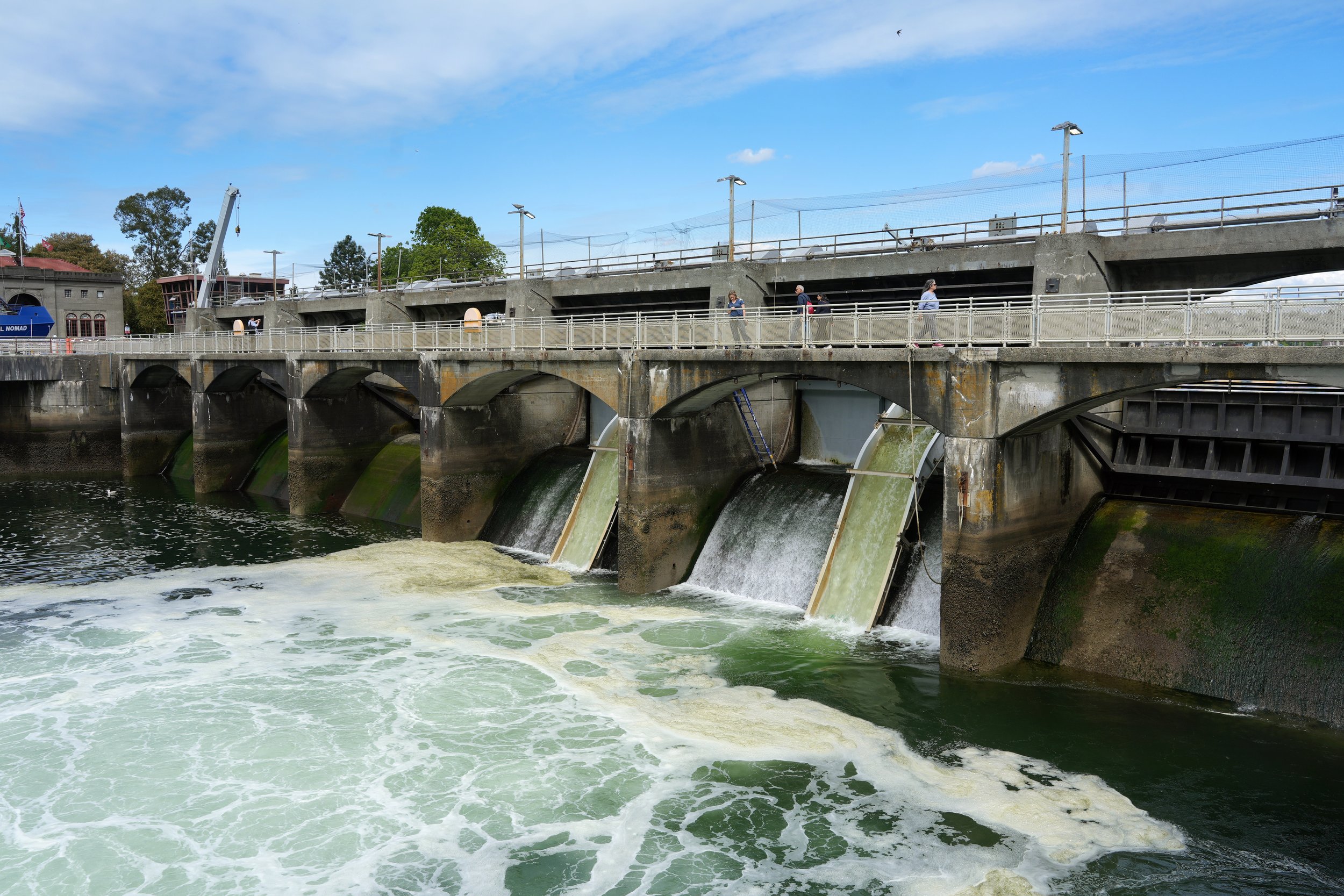
In Seattle, we stayed in the Ballard neighborhood, a vibrant, historic northwest Seattle neighborhood known for its maritime roots and Scandinavian heritage. One afternoon, I rode my trike to the famous Hiram M. Chittenden “Ballard” Locks – a feat of engineering built in 1917. I rode through the Carl S. English Jr. Botanical Gardens, to get to see the locks in action as a variety of boats made their way to and from Lake Union to the Puget Sound. I also watched the salmon make their way up the Fish Ladder at the Locks traveling home to spawn from a life in the ocean. The following photo is of the Locks area.
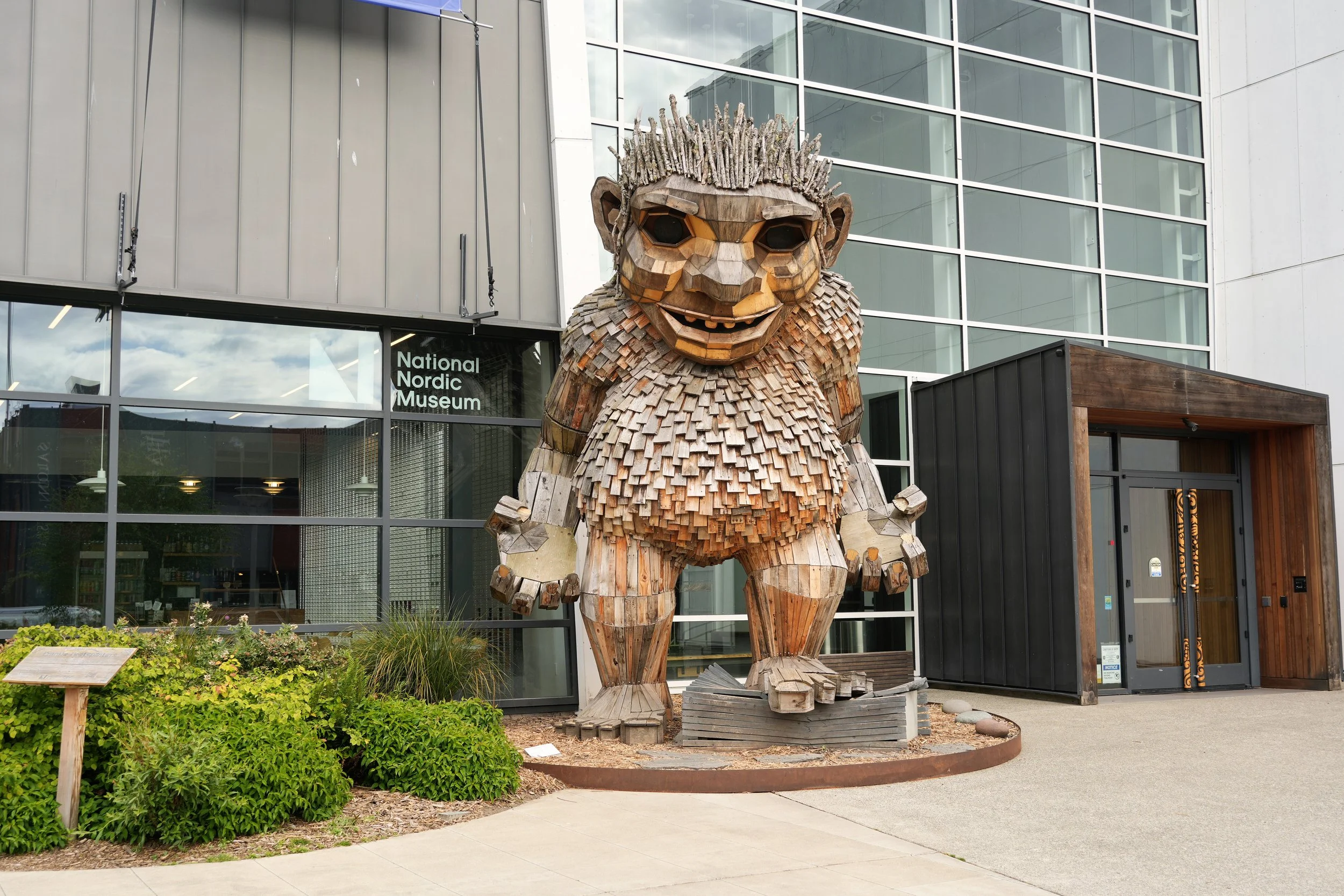
On a different morning, we visited the National Nordic Museum, the only museum of its size and scale in the U.S. that represents the history and culture of the Nordic region. It also tells the story of the immigrants from the nordic region that settled in Ballard. By the entrance of the museum is Frankie Feet Splinters by Thomas Dambo, an artist based in Denmark, who makes sculptures and installations out of recycled materials. By doing this, he hopes to inspire people to have fun and think of trash as a valuable resource. Here is Frankie in all his glory.
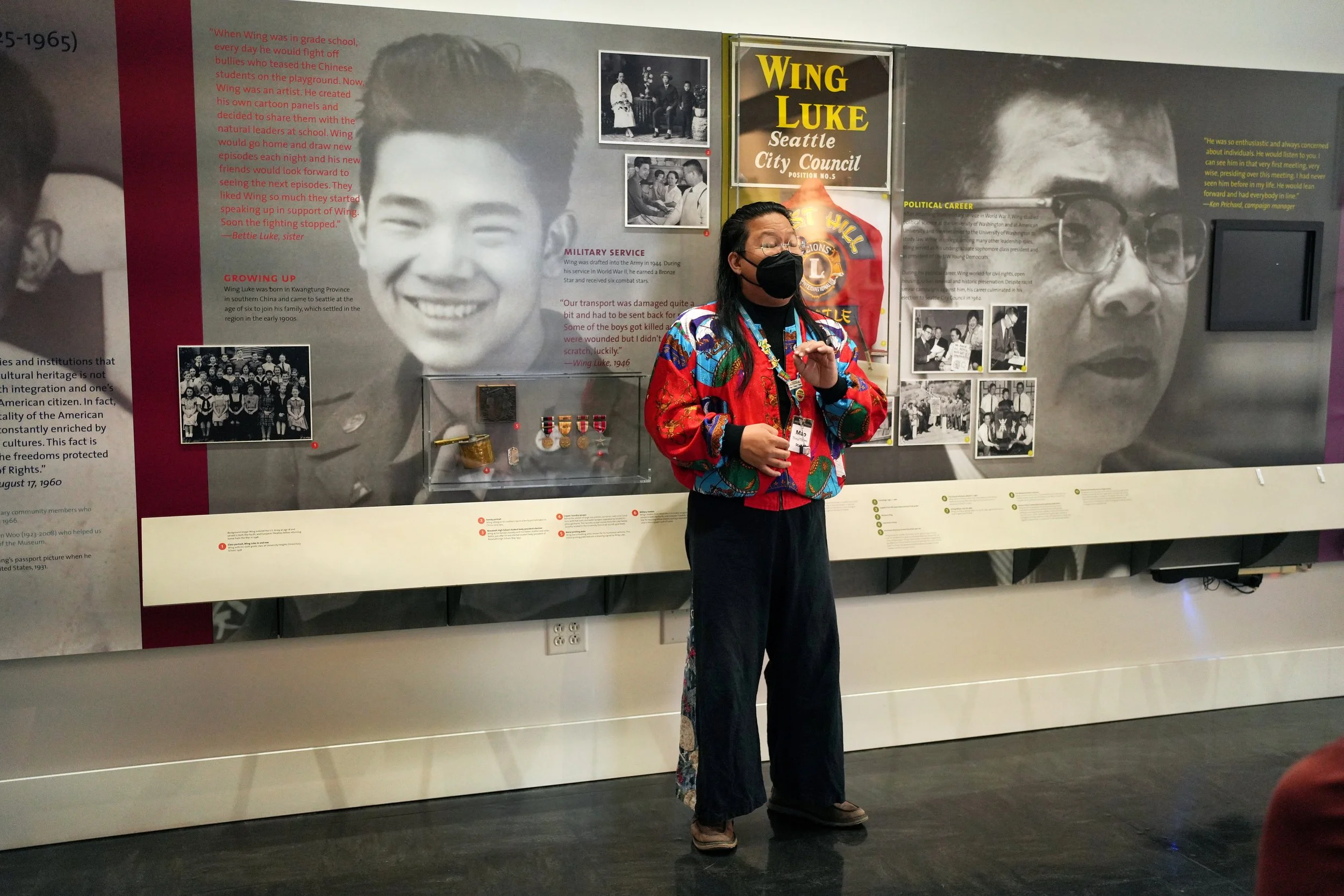
On another sunny morning, we visited the Wing Luke Museum in Seattle's Chinatown-International District. Family, friends, and supporters established the museum in 1967 to honor Wing Chong Luke, the first Asian American elected to public office in the Pacific Northwest. Wing Chong Luke died in a plane crash when he was forty years old. This photo shows us a guide describing the importance of Wing Chong Luke, while standing in front of an exhibit detailing his life.
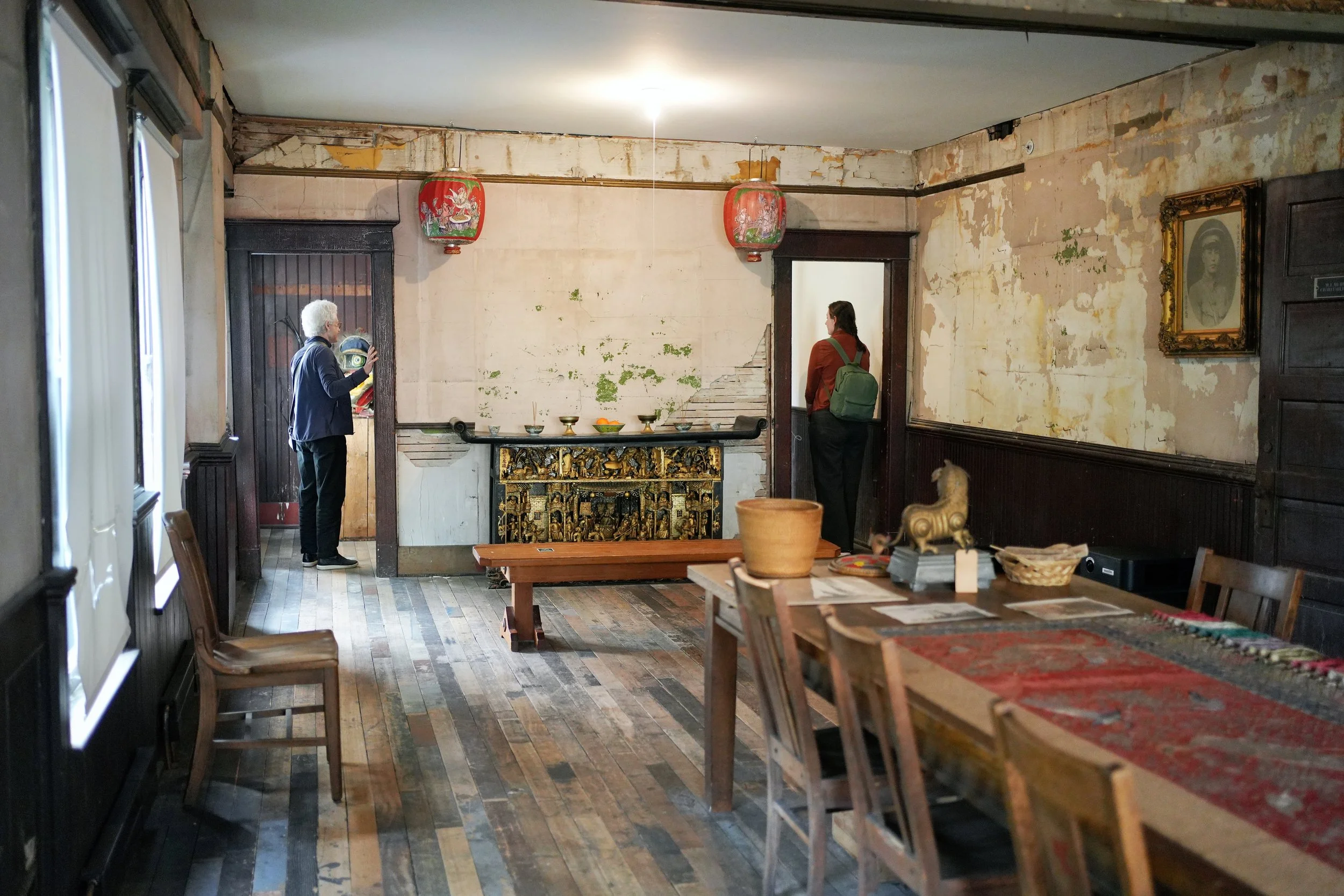
The museum focuses on the culture, art and history of Asian Pacific Americans. The Wing Luke museum is located in a building at 719 South King Street, in the renovated 1910 East Kong Yick Building. The Museum addresses civil rights and social justice issues, while preserving historic spaces within the building including the former Gee How Oak Tin Association room, pictured below. This was a neighborhood gathering place.
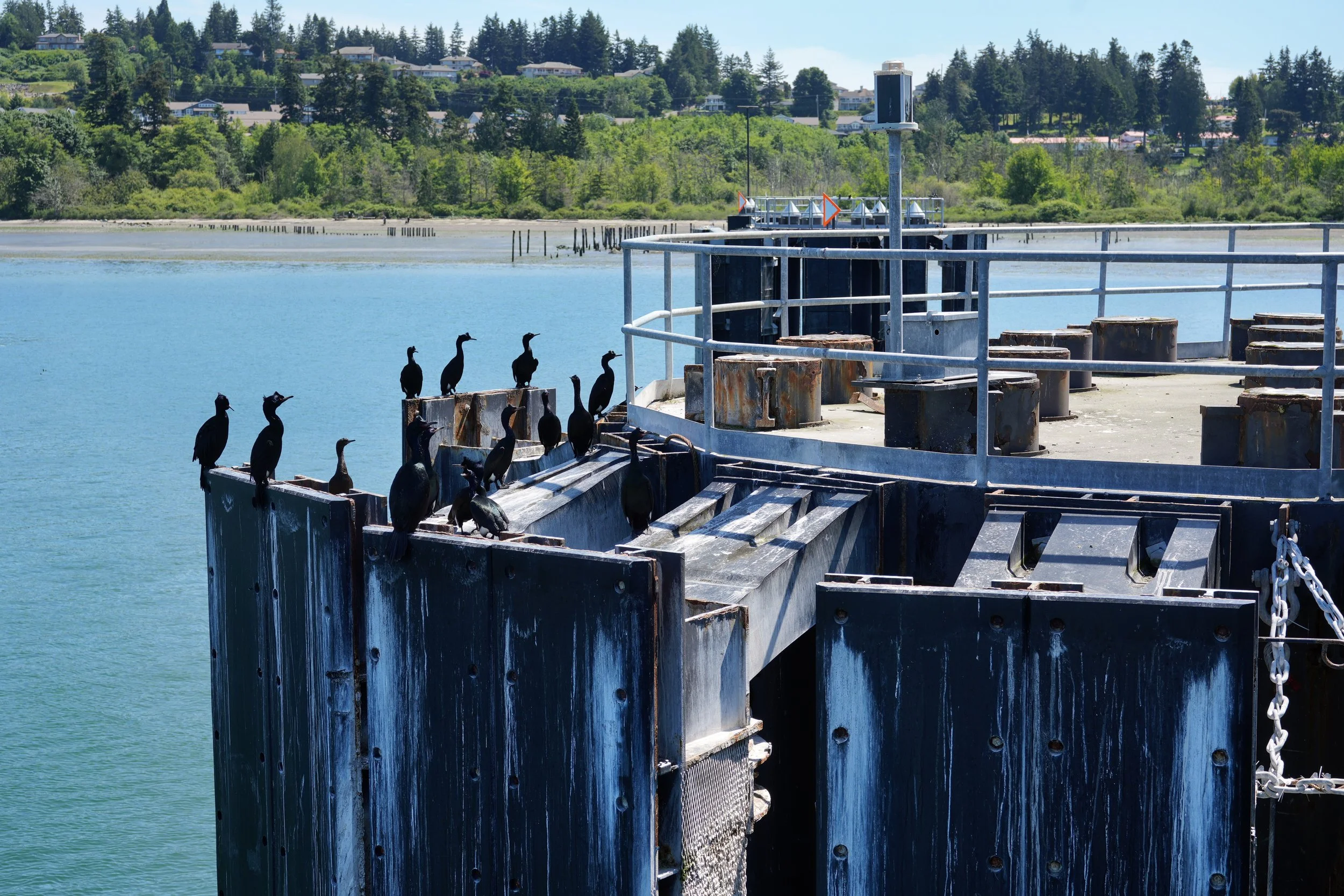
We spent 4 days on San Juan Island, the second-largest and most populous of the San Juan Islands in northwestern Washington. San Juan Island is considered a "small town" community, in that it is relatively quiet rural living with few distractions or incidents aside from tourism. Here is a photo of Pelagic Cormorants, that live along the coasts of the northern Pacific, lounging on top of the edge of the ferry station.
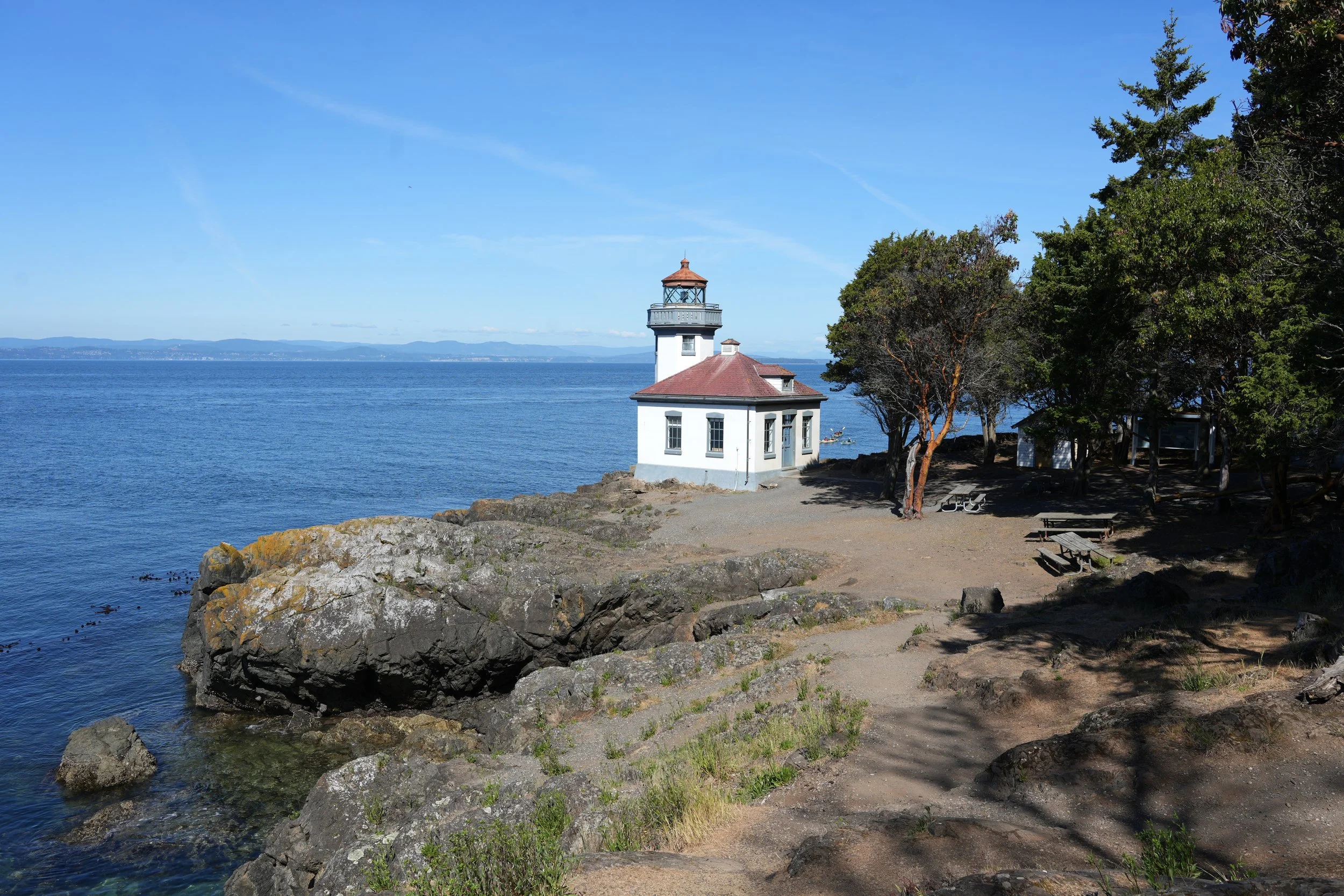
While on San Juan Island, we visited Lime Kiln Point State Park on multiple occasions. Lime Kiln Point State Park provides an opportunity to view orca whales from shore and to hike in the dense Pacific coast tree-covered paths. Jay saw some whales while running; I did not while cycling in the park. One of Lime Kiln Park’s highlights is the lighthouse, one of the last major navigational aids to be constructed on the shores of the Salish Sea. Architect Carl Leick was engaged to design the lighthouse. Leick’s design motto was “Build ‘em stout, and make ‘em last.” The lighthouse, pictured below, was commissioned on June 30, 1919 and lasts to this day.
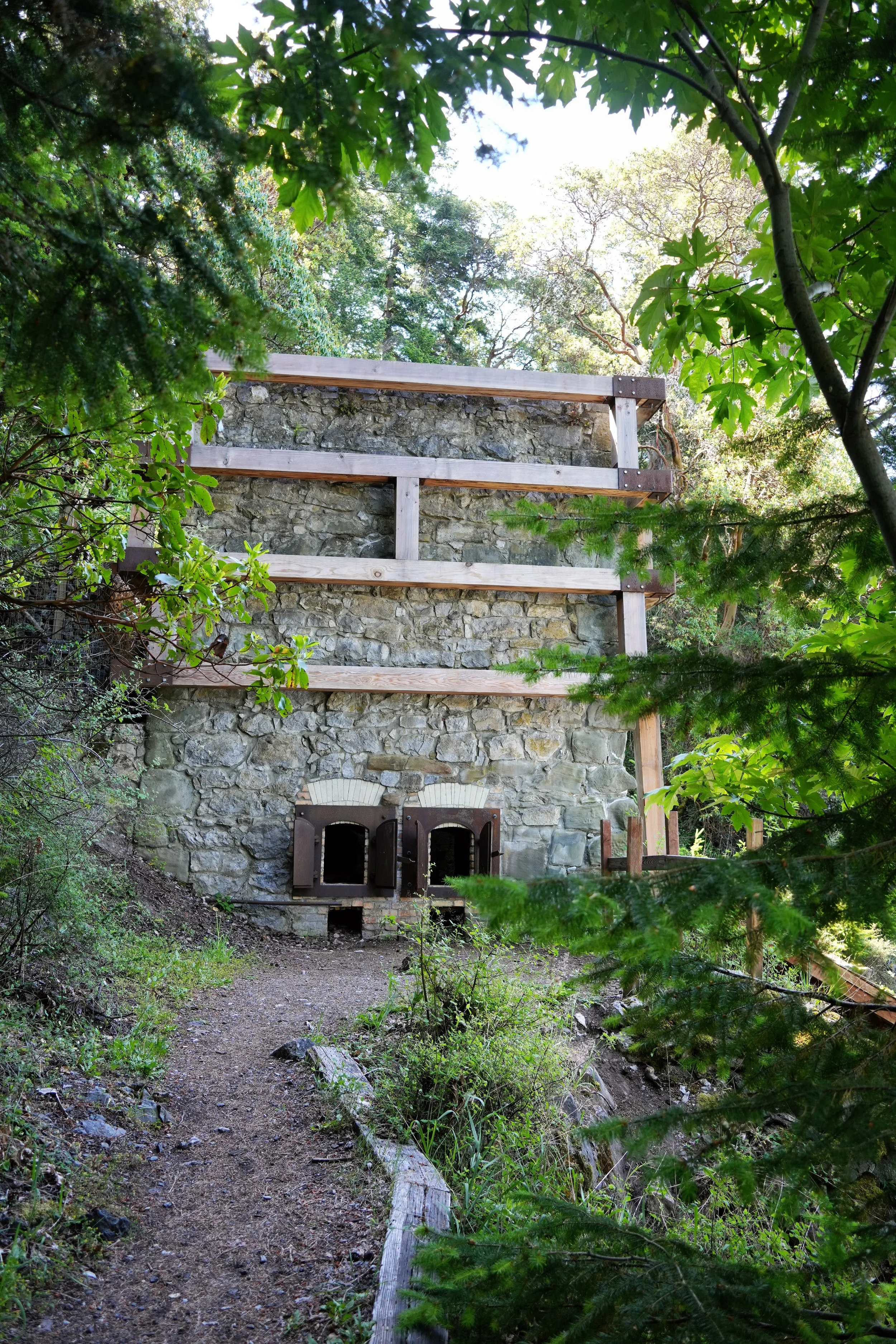
Lime mining at Lime Kiln Point State Park began around 1860 and fueled a major regional industry until the 1930s. Workers quarried limestone from the rocky coast, burned it in stone kilns at temperatures up to 2,000°F, and shipped the processed lime across the West Coast for mortar and building. Here’s a photo of one of the kilns. Big and Ugly, isn’t it?
We had a great time in Seattle and on San Juan Island and can’t wait to visit our son, Jay and his wife, Barbara again and explore even more sites in the area. Enjoy and please leave a comment after reading it so I know you received it and read it. All feedback is appreciated.